


Upholstery boat seat maintenance is an important part of keeping a vessel comfortable, functional, and ready for regular use. Boat owners often inspect engines, electrical systems, and hull surfaces, yet seating can experience some of the most consistent wear onboard. Sunlight, saltwater, moisture, and repeated use can gradually damage vinyl, weaken stitching, and reduce cushion support. If you are planning an interior upgrade, you can explore professional marine upholstery services here from Boat Upholstery Broward, a company specializing in upholstery for boats and yachts.
Understand What Causes Seat Damage
Marine seating faces a demanding environment throughout the boating season.
UV exposure can cause vinyl to fade and eventually crack. Salt and moisture may remain on the surface after a day on the water, while frequent movement places pressure on seams and cushions. In addition, trapped moisture can create conditions that encourage mold and mildew.
Common warning signs include:
- Surface cracks or splits
- Loose stitching
- Fading or discoloration
- Flattened foam
- Soft spots inside cushions
- Persistent moisture
Regular inspections make it easier to address these issues before they become larger problems.
Choose Materials Made for Marine Use
The success of an upholstery boat seat project often depends on the materials selected.
Marine-grade products are designed to handle conditions that ordinary furniture materials may not withstand. Quality marine vinyl can offer better resistance to UV exposure and moisture, while suitable foam can provide support and recover its shape more effectively.
When comparing materials, consider:
- UV resistance
- Water resistance
- Ease of cleaning
- Color stability
- Durability
- Comfort
The right combination can help seating maintain both its appearance and performance over time.
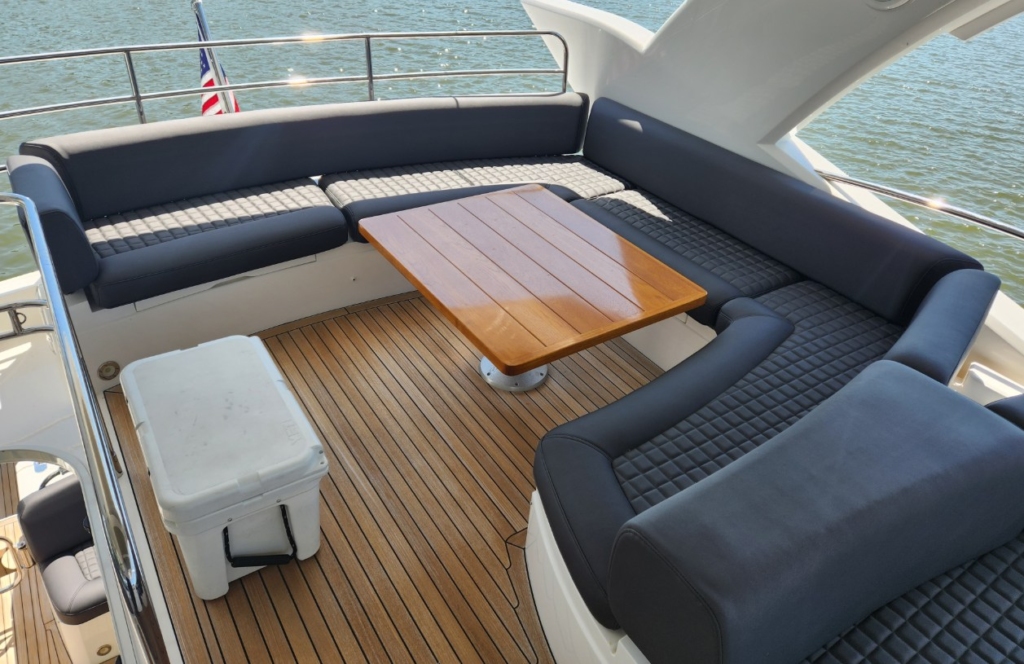
Check the Foam Before Replacing the Surface
A new seat covering may improve appearance, but the foam underneath is equally important.
Old foam can lose density and become uneven after years of use. It may also absorb moisture if the surrounding materials are damaged. Replacing only the visible surface without checking the cushion structure can leave the seating uncomfortable.
During an upholstery project, inspect whether the foam still provides consistent support. If it has become compressed, damaged, or affected by moisture, replacement may offer better long-term results.
Consider How You Use Your Boat
Not every boat needs the same type of seating.
A fishing boat may require durable and easy-to-clean surfaces. A family cruiser may benefit from softer cushions and additional back support. Owners who spend long hours offshore may prioritize comfort and resistance to constant use.
Think about:
- How many passengers use the seating
- How long typical trips last
- Whether the boat is used for fishing or cruising
- How much direct sunlight reaches the seats
- Whether cushions are frequently exposed to water
These details can help guide smarter upholstery decisions.
Improve Comfort Without Changing the Layout
An upholstery boat seat upgrade does not always require a major redesign.
Small changes can noticeably improve comfort. Higher-quality foam, improved seat contours, or stronger back support can make long trips more enjoyable while preserving the original layout of the boat.
This approach can be particularly useful for owners who like their vessel’s current design but want the interior to feel newer and more comfortable.
Keep New Upholstery Clean and Protected
Regular care can extend the life of marine seating.
After each outing, remove salt, dirt, and moisture from the upholstery. Use cleaning products that are appropriate for the specific material, and avoid harsh chemicals that may damage the surface.
A simple routine can include:
- Wiping seats after use
- Rinsing away salt residue when necessary
- Drying wet surfaces
- Checking seams for early wear
- Applying approved protectants
- Using covers during extended storage
These habits can reduce unnecessary damage and help maintain the appearance of the interior.
Know When Repair Is No Longer Enough
Minor damage can often be repaired, but extensive wear may indicate that a full restoration is the better option.
Large cracks, widespread fading, collapsed foam, and repeated seam failures may continue to cause problems if owners only make temporary fixes. A more complete upholstery boat seat project can address the underlying condition of the seating rather than simply covering visible damage.
Evaluating the full condition of the seat can help owners choose the most practical solution.
Final Thoughts
Marine seating is a working part of every boat, not just a decorative feature. Regular inspections, suitable materials, and consistent maintenance can help protect comfort and extend the life of the interior.
An upholstery boat seat upgrade can refresh worn seating, improve support, and prepare the interior for many more seasons on the water. By matching materials and design choices to the way a boat is used, owners can create seating that performs as well as it looks.

