


Professionals specializing in marine interiors continue to redefine comfort and style in vessel cabins, focusing on innovative materials and craftsmanship. For professional services, see here, where experts share insights on boat headliner upholstery and the latest design trends.
A well-designed headliner not only enhances the visual appeal of a cabin but also improves insulation, noise reduction, and overall passenger comfort. With increasing attention to premium finishes, choosing the right materials and installation techniques has become essential.
Understanding Boat Headliner Upholstery
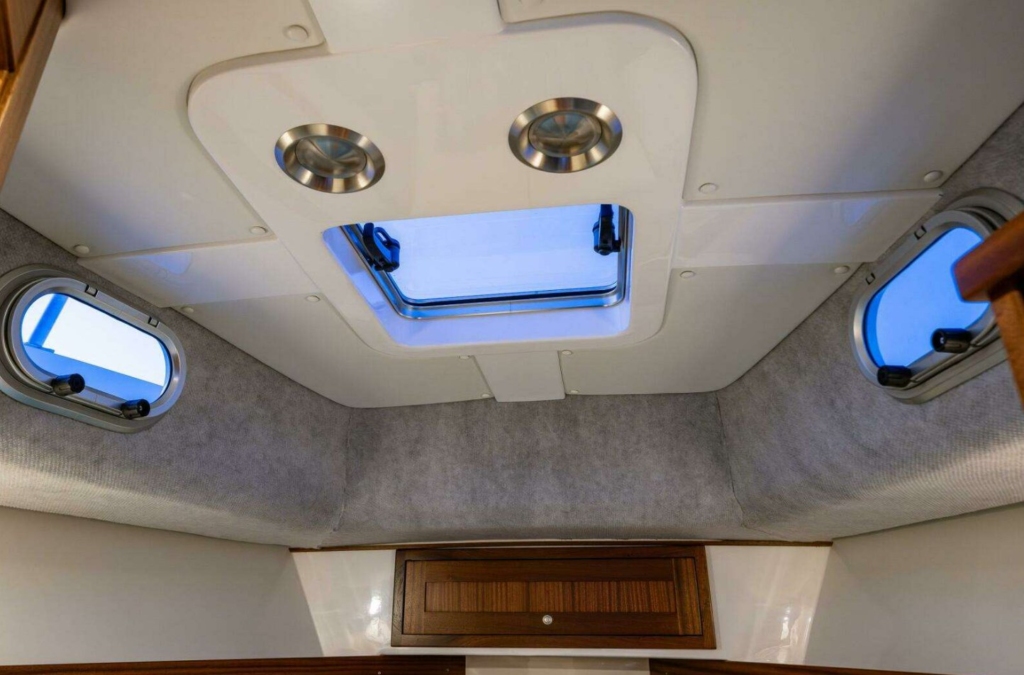
Boat headliner upholstery refers to the finished ceiling surface inside a cabin, covering structural panels while adding insulation and style. Unlike standard ceilings, headliners must handle marine-specific challenges such as moisture, heat, and movement caused by waves.
Recent industry insights emphasize that selecting high-quality upholstery materials can extend the life of the cabin interior while maintaining a polished, luxurious look.
Common Materials and Their Benefits
The marine interior market offers several materials for headliner upholstery, each with unique advantages:
- Vinyl and leatherette fabrics provide a clean, easy-to-maintain surface while offering water resistance and durability.
- Suede or microfiber panels deliver a softer, premium feel but may require careful cleaning and protection against moisture.
- Fabric-backed foam composites combine lightweight support with insulation and noise absorption, making them ideal for luxury cabins.
Each material must balance style, comfort, and resilience. Professionals often recommend testing samples under real marine conditions before committing to full installation.
Installation Techniques and Design Trends
Installation of boat headliner upholstery has evolved beyond simple paneling. Modern techniques often involve:
- Adhesive-backed panels that allow for curved or contoured surfaces.
- Modular sections for easier replacement and repair.
- Integrated lighting or soundproofing materials to enhance cabin ambiance.
Current design trends favor neutral color palettes, textured finishes, and subtle patterns that complement other interior elements. Layered materials combining foam, fabric, and decorative trims are gaining popularity for both aesthetics and performance.
Comfort and Functional Considerations
Beyond visual appeal, headliner upholstery contributes to comfort by reducing cabin noise and helping regulate temperature. Materials with sound-absorbing properties prevent engine or water noise from interfering with passenger experience, while insulated panels maintain a stable interior climate.
Marine professionals highlight that proper installation and high-quality adhesives are critical to prevent sagging, bubbling, or moisture damage over time.
Maintenance and Durability
Boat headliner upholstery requires routine care to maintain appearance and functionality. Recommended practices include:
- Gentle cleaning with marine-safe products.
- Regular inspection for mold, mildew, or discoloration.
- Prompt repair of damaged panels to prevent further issues.
Durable materials, combined with proactive maintenance, can extend the headliner’s lifespan, reducing long-term costs and preserving cabin aesthetics.
Sustainability and Modern Materials
Sustainability has become a focus in marine interior design. Recycled fabrics, low-VOC adhesives, and responsibly sourced foams are increasingly used in headliner upholstery without compromising performance. Professionals emphasize evaluating both environmental impact and material resilience to ensure long-term functionality.
Tailoring Headliners for Different Vessels
Requirements vary depending on the type of boat. Recreational vessels often prioritize stylish finishes and lightweight materials, while commercial boats require robust, easy-to-clean panels that withstand heavy use. Understanding the intended application is crucial for selecting appropriate materials and installation methods.
Future Trends in Boat Headliner Upholstery
Innovation continues to shape marine ceilings. Hybrid panels integrating insulation, acoustic damping, and decorative finishes are on the rise. Modular and pre-fabricated headliners simplify installation and maintenance, and digital modeling helps designers predict material performance under real-world conditions.
Ultimately, headliner upholstery is evolving to be both functional and visually striking, reflecting the increasing sophistication of modern boat interiors.
Conclusion
Boat headliner upholstery plays a vital role in creating a comfortable, stylish, and durable cabin interior. By selecting high-quality materials, employing proper installation techniques, and following maintenance best practices, boat owners can ensure their cabins remain functional and attractive for years. Staying informed on the latest trends and materials helps professionals and enthusiasts make smarter, long-lasting choices in marine interior design.

